Manchester Pest Solutions treats bed bugs in Withington flats, bedsits, shared student houses and family homes across M20. We inspect the bed, furniture and neighbouring rooms, treat the crevices where bugs hide, then return two to three weeks later for any that hatch. Call or message us and we'll offer the earliest slot we have, often the same day.
Why do bed bugs keep turning up in Withington lets?
Movement, more than anything. Bed bugs don’t come from dirt; they arrive in suitcases, mattresses, sofas and bags, and Withington has a lot of people on the move. Private renting is the most common way of living here, at 48% of households in the ward, and almost half of residents were in their twenties at the mid-2024 estimate. That’s a population that changes address often, goes home for the holidays and furnishes rooms with whatever’s on offer.
Many of the bigger family houses have also been divided into student flats. Every summer some leave and others arrive at once, and furniture passed on at the end of the year can carry bugs into the next house. A room left empty over the summer doesn’t clear itself either, because bed bugs can go months without feeding in a heated home.
What do we usually find in Withington homes?
It depends on the kind of home, and here there are several.
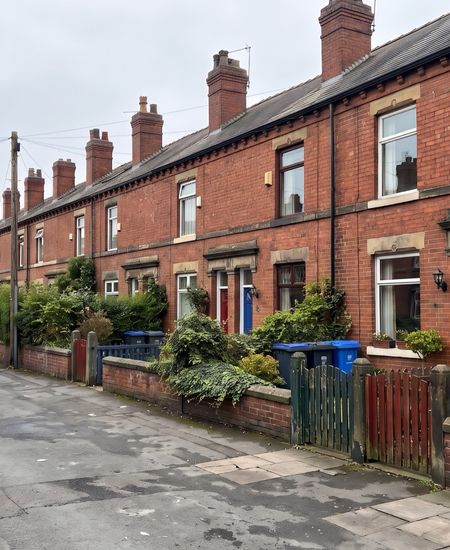
In a converted Victorian villa or a bedsit, the infested room is rarely the whole story. Bugs travel along landings, under doors and through gaps around pipes, so we check the rooms either side and any shared sofa before agreeing what to treat. The old floorboards, skirting and loose wallpaper of houses this age give them plenty of places to tuck in.
In purpose-built flats, which house just over a fifth of the ward’s households, we start with the bed and the sofa, then check whether pipework or shared walls could link the problem to the flat next door.
In family semis, we often trace bugs to a recent stay away, a visitor, a teenager’s return from halls or a second-hand bed. Because homes with children need more care, we use steam and hot washing on cots and children’s mattresses wherever we can.
How does treatment run here?
The process is the same one we use across Manchester, fitted around your household. We start by asking what you’ve seen, where everyone sleeps and who’s at home, including babies and pets. A photo of spots on the mattress, or a bug stuck to clear tape, helps a lot.
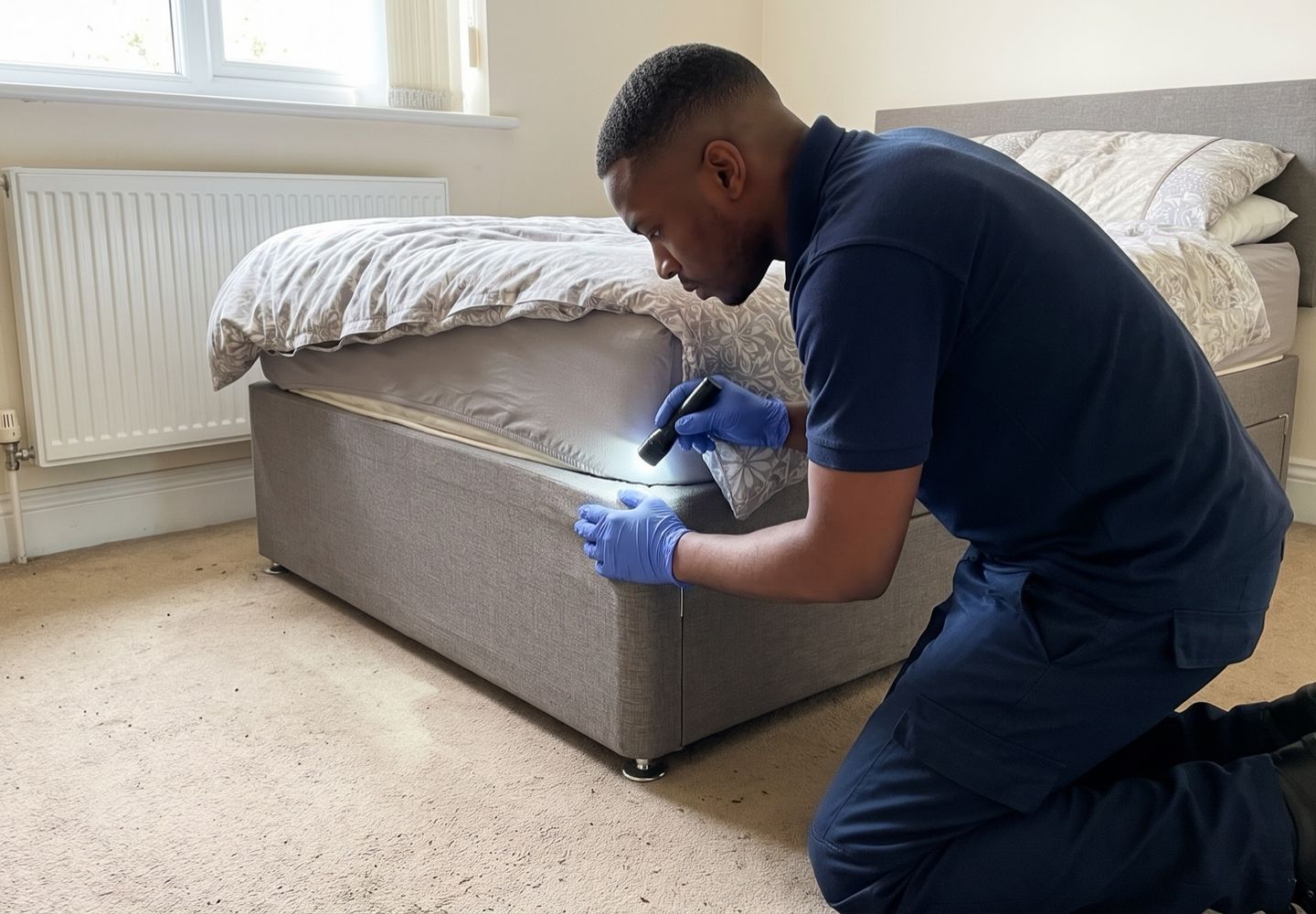
On the first visit we inspect the mattress, frame, headboard, bedside drawers, skirting and the rooms around, then treat the seams, joints and crevices where the bugs hide, using steam on soft furnishings where a spray isn’t the right choice. You’ll get a short prep list beforehand and clear timings afterwards for keeping children and pets out of treated rooms, usually a few hours until surfaces are dry.
We return two to three weeks later for the young bugs that hatched from eggs the first treatment couldn’t reach. A heavy problem or one that has spread across a shared house may need a final check. After each visit we leave a written note, which is handy when the tenant, landlord and letting agent all need to know what was done.
In a shared house or block, treating one room on its own rarely lasts, so we encourage landlords to arrange the whole property together. We’re glad to work with tenants and landlords on the same job.
How do you stop them following you to the next flat?
Most of the prevention in a place like Withington comes down to moving day and second-hand finds.
Check any second-hand bed, sofa or chest of drawers before it comes through the door, and leave furniture you find on the pavement where it is. After a trip away, unpack on a hard floor and put clothes straight into a hot wash. A zipped cover on the mattress and base leaves bugs nowhere to hide on the outside, and interceptor cups under the bed legs give an early warning.
If you rent, report bites and spots to your landlord in writing as soon as you notice them, with photos and dates. Early reports make the whole job quicker and simpler for everyone. For itchy bites that turn out to be on the ankles, our flea removal page may be the better fit.
What we tend to find in Withington
- Private renting is the most common tenure in Withington ward, at 48% of households, so many bedrooms change occupant every year and bed bugs can arrive with each new load of luggage.
- Almost half of Withington's residents were in their twenties at the mid-2024 estimate, an age group that moves house, travels and buys second-hand furniture more than most.
- Many of Withington's larger Victorian houses are now student flats, and in a villa split into several units bugs can pass between rooms along shared landings, pipework and floor voids.
- Nearly one household in eleven in the ward lives in a converted or shared house or a bedsit, where one infested room rarely stays the only one for long.
What happens when you call us
- 1
Tell us what you've found
Call or message us with what you've seen. A photo of spots on the mattress, or a bug stuck to clear tape, really helps, and we'll ask who sleeps where, including babies and pets.
- 2
A proper inspection
We check the mattress seams, bed frame, headboard, skirting, sofa and the rooms either side, so we know whether it's one bedroom or the whole house or flat.
- 3
Getting the room ready
You'll get a short prep list: hot-wash the bedding and clothes, bag them up clean, clear under the bed and keep belongings in the room rather than moving them elsewhere.
- 4
First treatment
Treatment goes into the seams, joints and crevices where bed bugs hide, with steam on mattresses and soft furnishings where a spray isn't right. You'll know which rooms to keep out of and for how long.
- 5
Second treatment
We come back about two to three weeks later to deal with the young bugs that hatched from eggs the first visit couldn't reach.
- 6
Final check and advice
If the problem was heavy or had spread, a final check shows whether anything's left. We leave a written note of what we found and did, plus tips to stop bed bugs coming home again.
Bed Bug Removal in Withington: your questions
I live in a bedsit in a converted Withington house. Could the bugs be coming from next door?
They could. Bed bugs can't fly or jump, but they crawl surprisingly well, and in a converted house they move along pipework, under doors and through gaps in old walls and floors. If you're being bitten and nobody in your room has travelled or brought in furniture lately, a neighbouring room is a real possibility. Tell your landlord or agent in writing, because we'll need access to the rooms either side to know for sure. Treating your bedsit alone may only buy a few quiet weeks.
We picked up a second-hand sofa locally. How can we check it for bed bugs?
Do it before it comes in if you can, or keep it in one room until you've looked. With a torch, check the seams and piping, under the cushions, the joints of the frame and the fabric underneath. You're looking for small dark spots that smear when dampened, pale shed skins and flat reddish-brown bugs about the size of an apple pip. Running the edge of a bank card along the seams can tip out anything hiding there. If you find signs, don't sit or sleep on it, and give us a call.
I'm moving out of a Withington flat that had bed bugs. How do I avoid taking them with me?
Pack as though every item could carry a bug. Wash clothes and bedding at 60°C, tumble dry on hot, then bag them straight away and keep them sealed until you've unpacked at the new place. Plastic boxes are better than cardboard, which bugs can hide in. Check bed frames, bedside drawers and any upholstered furniture carefully before moving them, or think twice about taking them. Tell your landlord, and if the treatment wasn't finished, mention it to the next landlord too, so both homes can be checked.
I ride the Wilmslow Road buses every day. Could I have picked bed bugs up there?
It's possible but not the usual route. Bed bugs prefer places where people sleep or sit for hours, so beds, sofas, luggage and second-hand furniture are much more common sources than a bus seat. If you're being bitten, think back over recent stays away, visitors who slept over and anything that came into the house second-hand. That's normally where the trail leads. Wherever they came from, the treatment is the same, so the sooner we inspect, the sooner it's sorted.
Should I sleep in a different room if I have bed bugs?
No, keep sleeping in your own bed if you can. Bed bugs find people by the warmth and carbon dioxide we give off, so if you move to the sofa or a housemate's room they tend to follow, and you end up with two infested rooms instead of one. Staying put also means the bugs have to cross the surfaces we've treated to reach you, which is a big part of how the treatment works. Wash your bedding hot, pull the bed a little away from the wall and keep the duvet off the floor.
Is it possible to get rid of bed bugs overnight?
Not usually, and we'd rather be straight with you about that. Treatment kills the bugs it reaches, but eggs tucked into crevices often survive and hatch over the following week or so, which is why we plan two visits about two to three weeks apart. Whole-room heat treatment can kill every stage in a single day in some homes, but it still needs a check afterwards. Realistically, expect it to take a few weeks, and doing the prep and aftercare makes a real difference.
What kills 100% of bed bugs?
No one method is certain to get every bug, but heat is the most reliable thing. A 60°C wash followed by at least 30 minutes in a hot tumble dryer kills every stage in bedding and clothes, and steam kills the bugs and eggs it touches on a mattress or sofa. The hard part is reaching every bug, because they squeeze into joints, seams and gaps about as thin as a bank card. No single spray does it all, partly because many bed bugs now cope with common insecticides. That's why we combine methods and come back to catch anything that hatched in between.
More help in Withington
Last updated: