Manchester Pest Solutions treats houses and flats across Wythenshawe and Northenden, including Sharston, Benchill, Newall Green and Northenden's older riverside streets, for rats, mice, wasps, cockroaches, fleas and squirrels. Everything is set up with children and pets in mind. Call or message us with your postcode and we'll offer the earliest slot we have, often the same day.
A garden city on farmland, beside a much older village
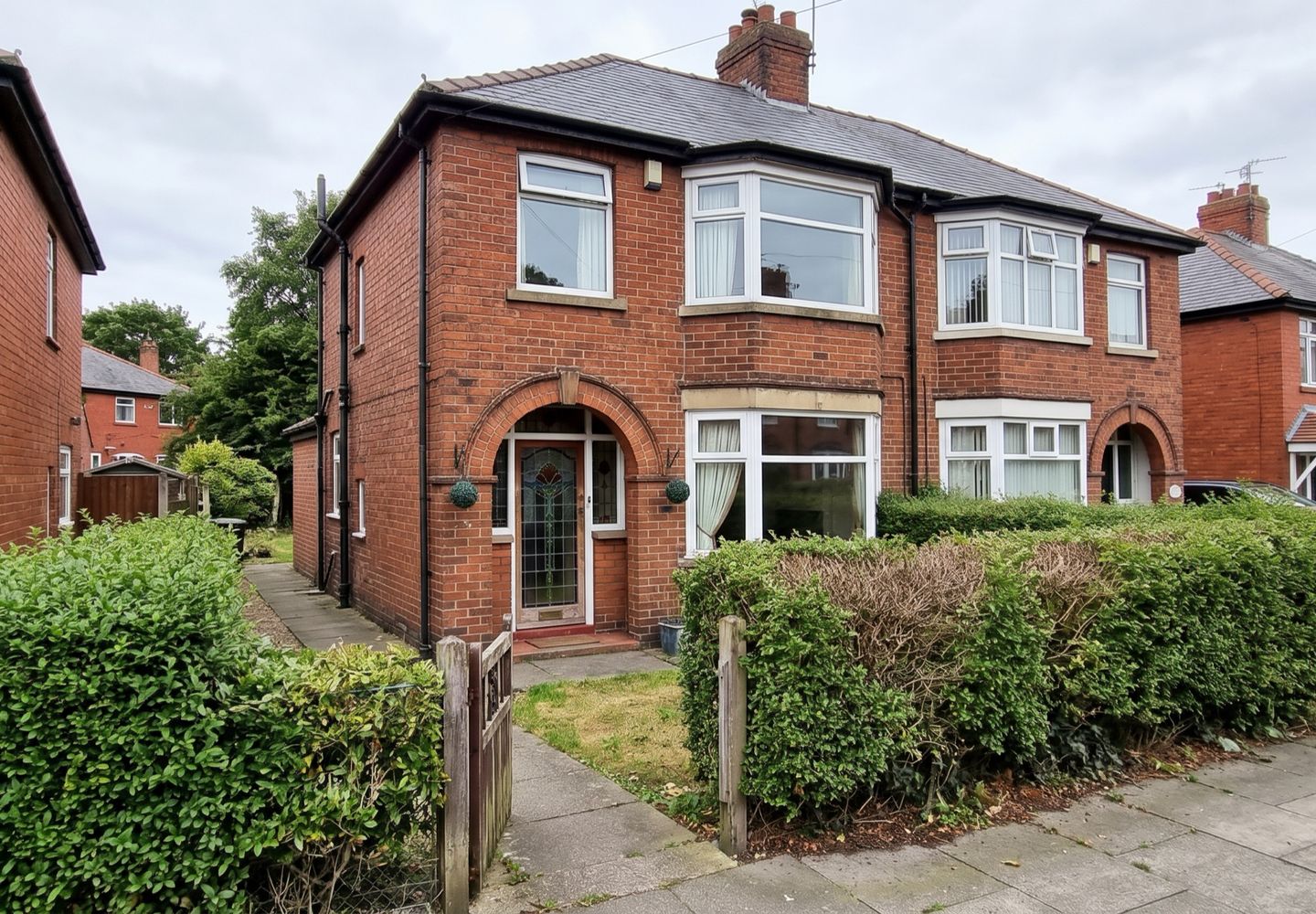
Wythenshawe did not grow by accident. Patrick Abercrombie picked out the land in 1920, 2,500 acres were bought, and the plan was a garden city where families from industrial Manchester could be rehoused. It became known as the largest council estate in Europe, spreading over roughly eleven square miles. Benchill and the northern parts went up before the Second World War, Newall Green followed from 1937, and most of the rest was built from the late 1940s, with blocks of flats and towers among the houses. Sharston was laid out on old farmland in the same push.
Northenden had a head start. Victorian and Edwardian houses by the river gave the village its character long before the estate arrived, more suburban housing followed as Wythenshawe grew around it, and a new run of shops sprang up along Palatine Road. Today about 79,000 people live across the five wards, in just over 33,000 households.
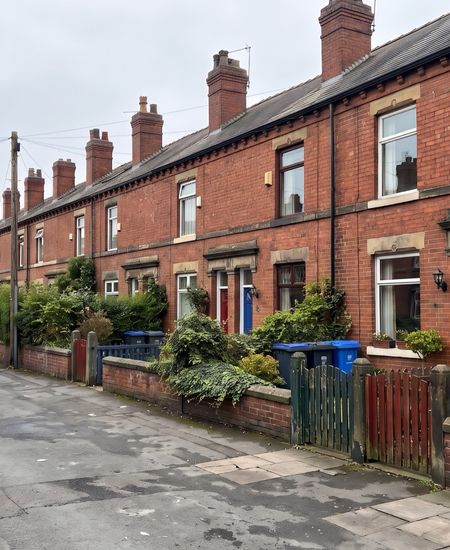
For pests, age matters. Homes from the 1930s to the 1950s have had most of a century for airbricks to crack and pipework to be rerouted, each change leaving a gap a mouse can use, and Northenden’s riverside houses are older still.
Brooks under the pavement: why rats turn up away from any river
Not every watercourse here can be seen. The Mill Brook runs in a culvert from its source to Millbrook Road, then joins the Fairy Well Brook and carries on to the Bridgewater Canal in Sale. In Newall Green, the old Mill Pond basin and the allotments beside it were built over with homes in the 1990s. Brown rats swim well and use culverts, drains and sewers, so homes well away from open water can still get them through a cracked drain.
That is why our rat control visits start below ground, with drains, inspection chambers and airbricks, before moving on to sheds, decking and compost bins. Finding the way in is what stops the problem coming back.
Life on the south bank of the Mersey
Northenden grew where it did because of the river. With no bridge across this stretch of the Mersey, the ford here was important, and Ford Lane still follows its line. A weir and mill stood on the river from the fourteenth century until both were pulled down in the early 1960s; the weir now has a fish ladder.
Twelve parks, eighteen woods and what lives in them
Green space was built into the estate from the start. There are 12 parks and 18 areas of woodland, among them Hollyhedge, Peel Hall, Painswick and Baguley parks. Wythenshawe Park alone covers more than 270 acres of meadow and woodland around the Tudor hall, with a community farm and riding facilities, and has been a local nature reserve since 2011.
Houses backing onto all that greenery see more wildlife. Grey squirrels cross from mature trees onto roofs and into lofts, where they gnaw timbers and wiring. Wasps start building in sheds, fences and roof spaces in spring, and by late summer the nests are at their biggest and most defensive, just as children are out playing. If a nest is near a door or bedroom window, our wasp nest removal service can treat it; if it turns out to be bees, we’ll say so and point you elsewhere.
Flats, shared pipework and pests that move between homes
Flats and multi-storey blocks have been part of Wythenshawe since its early decades, though two 1960s towers came down in 2007. In any block, the pipes and service ducts that link one flat to another let pests through as well. German cockroaches like the warmth behind boilers, fridges and cookers and spread along those runs, bed bugs creep through gaps in shared walls, and mice follow pipework up through floors.
Treating one flat while the neighbours carry on rarely lasts. Our cockroach removal work in blocks goes best when the landlord or housing provider can arrange access to the flats either side, above and below. Our mice control works the same way, sealing the shared runs once the mice have gone.
Who books the visit: WCHG, the council, your landlord or you?
Many councils run a pest control service for residents, but what is covered, who can book and the charges all vary and can change, so check the council’s own pest control pages before you book. If you rent from a council or housing association, report the problem to your landlord first. If you would rather book a private firm, call or message us and we’ll offer the earliest slot we have.
Careful visits in family homes
In a tower-block flat with no garden, children and pets share the same few rooms as any treatment, so we use closed traps and proofing first and keep any rodent bait locked in tamper-resistant boxes well out of reach. In a house backing onto Wythenshawe Park where the dog has the run of the garden, we rely on traps and blocking entry points outside rather than bait. For fleas, we time our visit with your vet’s treatment of the pets and tell you plainly how long to keep everyone out of treated rooms.
Building work at the Civic, and a busy season for rats
The town centre is changing. Demolition of the former Peacocks store at Wythenshawe Civic began in December 2025, the first step of a plan for a culture hub, a food hall and workspaces, with the Civic’s shops staying open throughout. WCHG plans up to 2,000 new homes over the coming decade or more, starting with around 400 for social rent, due to begin in late 2026 subject to approval. Demolition and groundworks disturb rats living in old drains and foundations, and some will look for somewhere new nearby.
Timing adds to it. Figures from a national pest-control firm, reported in October 2026, put rodent enquiries in Manchester up 26% between 2024 and 2025, and rats move indoors as the weather cools. Small shops at the Civic and along Palatine Road get the same friendly service as homes, with written records for environmental health if they handle food.
Reaching you from Didsbury, Sale and Gatley
Northenden sits inside a triangle formed by the M56, the M60 and Princess Parkway, and the M56 itself divides east and west Wythenshawe. Didsbury lies just across the river to the north, Sale to the west and Gatley to the east, so we are rarely far away. We won’t promise an arrival time, but we’ll offer the earliest slot we have, often the same day.
Common pests in Wythenshawe & Northenden homes
Rats
The culverted Mill Brook, the Mersey bank at Northenden and the demolition work at Wythenshawe Civic all give rats routes and reasons to move, so our visits start with the drains and the outside of the house.
Mice
Much of the estate went up between the 1930s and the 1950s and Northenden's riverside houses are older still, so cracked airbricks and rerouted pipes leave plenty of gaps for mice once autumn sets in.
Cockroaches
Blocks of flats share pipework and service ducts, which lets cockroaches spread from one home to the next, and WCHG's own pest contract names them alongside rodents and bed bugs.
Wasps & Hornets
With 12 parks and 18 woodland areas among the houses, wasps have plenty to feed on, and late-summer nests in sheds, fences and eaves often sit right where children play.
Squirrels
Mature trees in Wythenshawe Park and the estate's many woods give grey squirrels an easy route from branch to roof, and once they are in a loft they gnaw joists and cables.
Fleas
Fleas usually come in on pets or from previous occupants, so treating the home and the pet together, with a thorough vacuum first, stops the cycle.
We also deal with:
Can I get Manchester City to deal with it?
Many councils offer a pest control service for residents, but which pests are covered, who can book and what it costs all vary and can change. Check the council's own pest control pages for current details before you book, and if you rent, ask your landlord who is responsible for treatment.
Check the council's pest control page (we last checked it on 2026-10-24).
Why Wythenshawe & Northenden gets the pests it does
- Wythenshawe was planned in the 1920s as a garden city to rehouse families from industrial Manchester and was once called the largest council estate in Europe; Benchill and the northern parts went up before the Second World War and most of the rest from the late 1940s. [Wikipedia]
- The estate's former council homes passed to two housing associations that merged in 2013 to form Wythenshawe Community Housing Group, which looks after around 14,000 homes. [Wikipedia]
- At the 2021 Census about 42% of households across the five Wythenshawe wards rented socially and about 41% owned their home; Northenden had the highest private-rented share, at around 17%. [Office for National Statistics (Census 2021, via Nomis)]
- Northenden stands on the south bank of the Mersey and is older than the estate around it, its character shaped by Victorian and Edwardian building beside the river. [Wikipedia]
- The Mill Brook runs in a culvert from its source to Millbrook Road, then joins the Fairy Well Brook and flows on to the Bridgewater Canal in Sale; homes were built over Newall Green's old Mill Pond basin in the 1990s. [Wikipedia]
- During Storm Christoph in January 2021 the council said around 2,000 properties in Northenden and East and West Didsbury were due to be evacuated, and the Environment Agency said the Mersey came within centimetres of the top of its bank. [Hits Radio (Hello Rayo)]
- Wythenshawe has 12 parks and 18 woodland areas; Wythenshawe Park alone covers more than 270 acres and was made a local nature reserve in 2011. [Wikipedia]
- In July 2026 Wythenshawe Community Housing Group went out to tender for a group-wide pest-control service for its homes and community premises, naming rodents, cockroaches, fleas, bed bugs, wasps, squirrels and pigeons. [Stotles]
- Wythenshawe Community Housing Group plans up to 2,000 new homes in the town centre over the next decade or more, starting with around 400 for social rent, with building expected to begin in late 2026 subject to approval. [Wythenshawe Community Housing Group]
- Rodent enquiries in Manchester rose 26% between 2024 and 2025, the sharpest rise among the cities named in figures reported in October 2026, with rats expected to look for shelter indoors through autumn and winter. [The Irish News (PA)]
Pest control in Wythenshawe & Northenden: your questions
Which parts of Wythenshawe and Northenden do you cover?
All of it, across the M22 and M23 postcode districts. In Northenden that includes the old village streets around Church Road and Ford Lane and the roads off Palatine Road. On the estate we cover Northern Moor, Sharston, Benchill, Brooklands, Baguley, Peel Hall, Woodhouse Park and Moss Nook, plus Newall Green on the western side of the M56. Give us your postcode when you get in touch and we'll offer the earliest slot we have, often the same day.
Will Manchester City Council deal with pests in my Wythenshawe home?
Many councils run a pest control service for residents, but what is covered, who can book and the charges all vary and can change, so check the council's own pest control pages before you book. If you rent from a council or housing association, report the problem to your landlord first. If you would rather book a private firm, call or message us and we'll offer the earliest slot we have.
My landlord is Wythenshawe Community Housing Group. Do I call you or them?
Council services and charges change, so check the council's own website for the current position, and if you rent, ask your landlord first.
I rent privately in Northenden. Is pest control my landlord's job?
Usually, when the problem comes from the building. Landlords are normally responsible for the structure and exterior, so gaps under doors, broken airbricks, damaged drains and holes around pipes tend to fall to them, and a rented home has to be fit to live in. Tenants are expected to keep things reasonably clean and to report problems promptly. Put it in writing, add photos of droppings or damage, and keep a copy. Northenden has a higher share of private renters than any other Wythenshawe ward, and we're happy to deal with your letting agent directly.
We live near the Mersey in Northenden. Does high water bring rats?
It can. Brown rats dig burrows into river banks and rough ground, and when the river rises those burrows flood and the rats head for drier places, which can mean sheds, decking and the space under a floor. In January 2021, during Storm Christoph, the Mersey came within centimetres of the top of its bank and around 2,000 properties in Northenden and the Didsburys were due to be evacuated. If you spot droppings, gnawing or fresh holes after a wet spell, get the drains and outside walls checked.
We have a toddler and a cat. How do you keep treatment safe?
We ask who lives in the house before anything else, the cat included. Traps go inside closed boxes and any rodent bait is locked in tamper-resistant stations, fixed in place or set where small hands and paws can't reach. For fleas, we'll ask you to have the cat treated by your vet around the same time, and we'll tell you exactly how long to keep everyone out of treated rooms. In a flat with no garden we lean more on proofing and traps. We show you every box, and they all come away at the end.
Could the building work at Wythenshawe Civic bring rats into nearby streets?
It's possible, though not every site causes trouble. Demolition of the former Peacocks store began in December 2025 to make room for a new culture hub, and WCHG's first new homes at Alpha House, Brotherton House and C2 The Birtles are expected to start in late 2026, subject to approval. Clearing old buildings and digging up ground disturbs rats living in drains and foundations, and some move to the nearest gardens and bin stores. Keep bins lidded, don't leave food waste out, and tell us early about any signs.
Nearby areas
Sources (9)
Last updated: