Manchester Pest Solutions helps households in Heaton Moor, Heaton Mersey and Heaton Chapel, in big villas, family semis, converted flats and the small terraces off Shaw Road. We treat squirrels, mice, rats and wasps, plan every visit around children and pets, and close up the ways in before we leave. Ring or message us to book.
Villas, semis or terraces: what sort of house is yours?
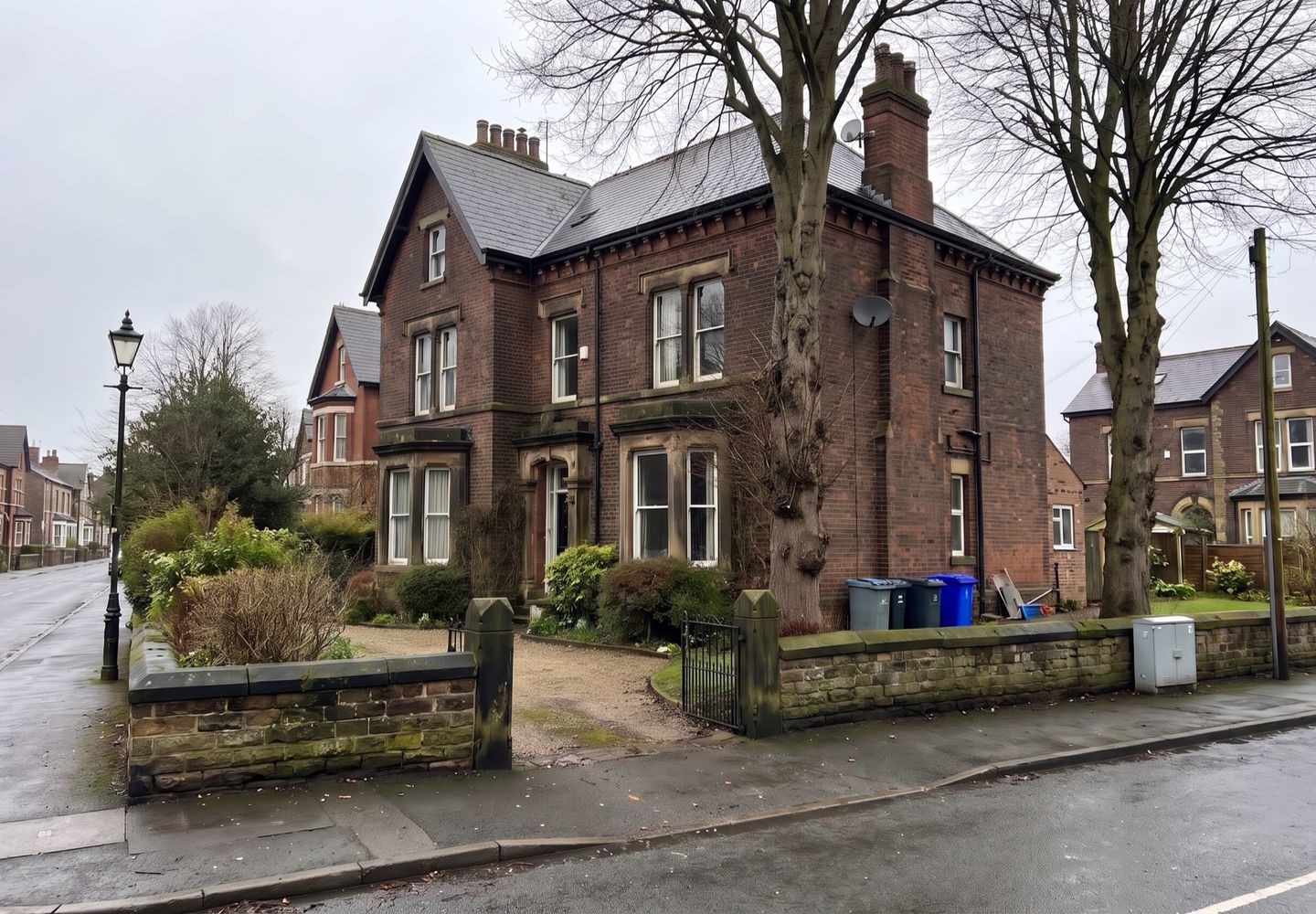
Heaton Moor began as a railway suburb. Through the late 1800s and into the early 1900s, mill owners and professional families built big detached and semi-detached villas with gardens, and tradesmen and shopkeepers soon followed them. By 1922 the plots in between had mostly been filled with semis. You can still see that pattern in the Census: semi-detached houses are the most common home in both Heatons wards, at roughly four in every ten, and around a fifth are detached. Over in Heaton Chapel, the streets are largely residential, with substantial early 20th-century houses and a run of mansions close to the Heaton Moor border.
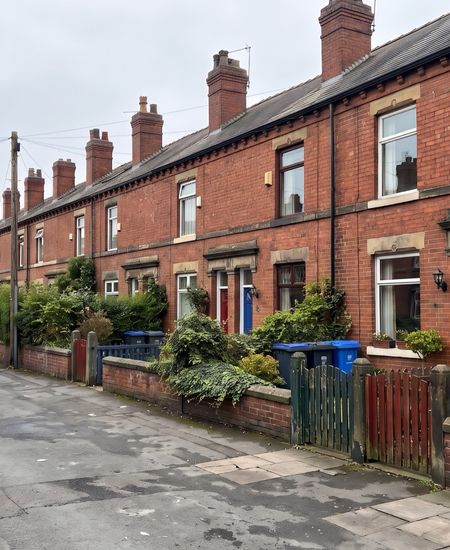
Not every road is grand. Stockport Council’s conservation appraisal picks out a pocket of smaller terraces around Derby Range, and dense rows from about 1880 tucked in behind the shops on Heaton Moor Road and Shaw Road. Some of the big houses have since been divided into flats or shared housing, and apartment blocks now stand in the grounds of a few former mansions. In Heatons North, about one household in fifteen lives in part of a converted or shared house.
Most people here own their home: close to three-quarters in the north ward and a little more in the south. Private renting still accounts for roughly one household in six, so plenty of the calls we get from SK4 come from tenants and landlords as well as owners.
Why do the old villas attract squirrels and wasps?
Most of the big Heaton Moor houses are red brick, dressed with stone and paler yellow brick, with slate or tile overhead, and their architects borrowed freely from Gothic Revival and Arts and Crafts design. In practice that means steep gables, ornate bargeboards and dozens of corners where timber meets brick. Each joint is somewhere a grey squirrel can test with its teeth, and a sheltered nook where a wasp queen can start building in spring.
Upkeep is the other half of the story. The council’s appraisal noted that many properties in the conservation area needed gutters, rainwater pipes and drains cleared or repaired, and self-seeded plants pulled off the walls. A gutter that overflows every winter keeps the fascia behind it damp, and soft wood is far easier to chew. Add the mature trees, hedges and private gardens that make these streets so green, and squirrels have a branch-to-roof route on almost every road. Our squirrel removal visits here usually finish with proofing those weak joints, and wasp nest removal in summer often turns up nests in the very same eaves.
Why do mice spread through terraces and converted houses?
Mice thrive in buildings that share floors, walls and pipe runs. The small terraces behind Shaw Road and the converted villas both have plenty of that: one roof, one set of floor voids and several households underneath. A mouse that gets in under a ground-floor kitchen can be heard two storeys up a week later. When someone asks us for mice control in a converted house, we look at the whole building and its shared hallway, not only the flat that called.
Heaton Norris is different again. Much of it is deck-access or high-rise estates, Lancashire Hill among them, mixed with Victorian terraces. Blocks with shared bin stores and service ducts need the same whole-building thinking. The bars, restaurants and shops along Heaton Moor Road and up at Moor Top sit right alongside homes, and we look after small food businesses there too, but most of our work in the Heatons happens in people’s houses.
Do homes by the river in Heaton Mersey get more rats?
Heaton Mersey lies along the Mersey’s northern side, and the ground down there is green and often wet. Mersey Vale Nature Park, off Battersea Road, grew up over a derelict bleach works and railway sidings, with the Mersey running through its middle and the Trans Pennine Trail crossing it. Heaton Mersey Common adds fields, woodland and a large pond. Brown rats look for water, cover and food, and a riverside landscape offers all three.
On New Year’s Day 2025 the floodplain around Heaton Mersey went under water, and the council treats the land along the river from Portwood to here as at risk from both river and surface-water flooding. High water drowns burrows and pushes rats uphill towards sheds, decking and back gardens. Stockport Council’s own rat advice mentions reports of rising rat numbers across the UK, says a rat can get in through a 25mm gap, and reminds householders that keeping their own property clear of rats is their legal duty under the Prevention of Damage by Pests Act 1949. Our rat control work near the river starts outside: airbricks, drain covers and the gaps around pipes.
Will the bin changes bring more rats?
Stockport is changing its collections. Check Stockport Council’s website for current pest control services and charges. Garden waste has needed a paid permit since April. Neither change has to cause a problem, but both are worth planning for. Keep lids closed, don’t stack spare bags beside a full bin, and if the green bin is gone, manage any compost heap carefully so it doesn’t become a warm, quiet home for rats.
How do you keep children and pets safe?
Big gardens are one of the joys of these streets, and they’re where children play and dogs and cats wander. We plan around that from the first phone call. Rat bait, where it’s needed at all, goes in locked, tamper-resistant boxes, and the council itself points out that using rodenticide outdoors is restricted to protect wildlife. Squirrels are never poisoned; traps stay in the loft behind a closed hatch. If you walk the dog on Heaton Mersey Common or have a cat that roams the gardens, we’ll tell you exactly where everything has gone and for how long.
Who sorts it out if you rent?
Tenants should put any signs in writing to the landlord or agent as soon as they appear. In most private lets the landlord must keep the roof, walls, drains and exterior in repair, which usually covers the holes pests use. In a converted villa, the roof and the shared loft are normally the freeholder’s or managing agent’s concern, so they need to be part of the plan from the start. Stockport Homes tenants have their own route through the housing officer.
Will Stockport Council come out to a Heatons home?
Many councils run a pest control service for residents, but what is covered, who can book and the charges all vary and can change, so check the council’s own pest control pages before you book. If you rent, report the problem to your landlord first. If you would rather book a private firm, call or message us and we’ll offer the earliest slot we have.
How far are you from the Heatons?
Not far at all. The Heatons sit between Didsbury to the west and Levenshulme to the north, with Cheadle just across the river, and the town centre is only about a mile from Heaton Moor. We work right across that patch, so SK4 slots easily into our day. Tell us which street you’re on, and we’ll offer the earliest slot we have, often the same day.
Common pests in The Heatons homes
Squirrels
Heaton Moor's villas have decorative eaves and gables under slate and tile roofs, and with mature trees and private gardens on most streets, grey squirrels have an easy climb to any soft or broken fascia.
Mice
Converted villas and the tight terraces behind Shaw Road share floor voids and pipe runs, so mice move from home to home and the whole building usually needs checking, not one flat.
Rats
The Mersey floodplain around Heaton Mersey went under water on New Year's Day 2025, and homes near the river, Mersey Vale Nature Park and the Common sit beside the water and cover rats look for.
Wasps & Hornets
Around six in ten homes in each Heatons ward are semi-detached or detached, with roof spaces, sheds and garden walls where wasp queens can start a nest each spring.
Bees
For bees and bumblebees here we survey first, trace how pests are getting in and seal those routes as well as treating, so the problem does not simply come back.
We also deal with:
Can I get Stockport Metropolitan Borough to deal with it?
Check the Stockport Council website for current pest control services, who can book and what it charges, because these change. If you rent, ask your landlord who is responsible for treatment.
Check the council's pest control page (we last checked it on 2026-10-24).
Why The Heatons gets the pests it does
- Heaton Moor took shape as a prosperous railway suburb between the late Victorian years and the early 1900s, when mill owners and professional families put up big villas with gardens and the middle classes followed; by 1922 the spaces between had largely been built over, mostly with semis. [Stockport Council (Heaton Moor Conservation Area Character Appraisal)]
- Alongside the villas there is an enclave of smaller terraces near Derby Range, and dense rows of terraced houses from around 1880 behind the shops on Heaton Moor Road and Shaw Road. [Stockport Council (Heaton Moor Conservation Area Character Appraisal)]
- Heaton Moor's buildings are mainly built of red brick, picked out in yellow brick and stone, roofed in slate or tile, and designed in the Free Gothic Revival and Arts and Crafts manner. [Stockport Council (Heaton Moor Conservation Area Character Appraisal)]
- A number of the large houses have been divided into flats or shared housing, and apartment blocks have gone up in the grounds of some former grand houses. [Stockport Council (Heaton Moor Conservation Area Character Appraisal)]
- The council's appraisal found many Heaton Moor properties in need of routine upkeep, particularly clearing and mending gutters, rainwater goods and drains, and removing self-seeded plants that are harming the buildings. [Stockport Council (Heaton Moor Conservation Area Character Appraisal)]
- Trees, hedges, boundary walls and private gardens give Heaton Moor much of its green character, while public green space is limited and includes Heaton Moor Park. [Stockport Council (Heaton Moor Conservation Area Character Appraisal)]
- At the 2021 Census, semi-detached houses were the most common home in both Heatons wards (about 41% in Heatons North and 44% in Heatons South), with detached houses close to a fifth in each. [Office for National Statistics (Census 2021, via Nomis)]
- Roughly three-quarters of Heatons households owned their home in 2021, while private renting stood at about 18% in Heatons North and 15% in Heatons South. [Office for National Statistics (Census 2021, via Nomis)]
- During the flood of 1 January 2025 the River Mersey floodplain around Heaton Mersey was under water, and the council identifies land beside the river from Portwood to Heaton Mersey as at risk from both river and surface-water flooding. [Stockport Council (Section 19 flood investigation, River Mersey appendix)]
Pest control in The Heatons: your questions
Do you cover all four Heatons, or just Heaton Moor?
All four. That takes in Heaton Moor itself, including the Moor Top shops around Thornfield Road and the terraces near Derby Range, and Heaton Mersey along Didsbury Road and down towards the river. Heaton Chapel is covered too, where some addresses carry an M19 postcode rather than SK4, and so is Heaton Norris, Lancashire Hill included. Streets such as Peel Moat Road and Mauldeth Road are all on our patch. Give us your postcode when you contact us, and we'll offer the earliest slot we have, often the same day.
Does Stockport Council offer pest control to Heatons residents?
Many councils run a pest control service for residents, but what is covered, who can book and the charges all vary and can change, so check the council's own pest control pages before you book. If you rent, report the problem to your landlord first. If you would rather book a private firm, call or message us and we'll offer the earliest slot we have.
We live near the river in Heaton Mersey. Should we worry about rats after the floods?
It's worth keeping an eye out. The floodplain around Heaton Mersey was under water on 1 January 2025, and the council counts the land beside the Mersey here as at risk from both the river and surface water. Flood water fills burrows and sends rats looking for dry cover, which can mean a shed, a timber deck or the void under a suspended floor. Look for droppings, gnawed edges, holes beside paths and greasy smears along walls. If you find any, our first job is a walk round the outside walls, airbricks and drain runs.
Mice keep appearing in our rented flat in a split-up Heaton Moor villa. Whose job is it?
Put it in writing to whoever manages the let, with dates and photos if you have them. In most private lets repairs to the fabric and outside of the building fall to the landlord, and that normally covers the gaps around pipes, skirting and airbricks that mice slip through. Mice in a converted villa rarely stay put; they travel through floor voids and service runs that every flat shares. A single plan for the whole building, communal hall included, works much better, and we're happy to agree access with your landlord or managing agent.
Our house is in the Heaton Moor conservation area. Does that change anything?
It affects the repairs after pest work more than the treatment itself. Heaton Moor first became a conservation area in the 1970s and had its boundary redrawn and enlarged in 1989, while Heaton Mersey has its own conservation area dating from 1978. Inside either, most tree work needs a six-week written warning to the council's planners before you start, including branches that give squirrels a route onto the roof. Swapping decorative bargeboards or altering the roofline may need a word with the planners too. Our proofing mesh is fitted discreetly behind gutters and along the eaves.
We've stopped paying for green bin garden waste. Will a compost heap bring rats?
It can if it isn't looked after. Since 1 April 2026, using the green bin for garden waste in Stockport has meant buying a permit, so plenty of Heatons gardens now have a new heap or compost bin. Rats want warmth, shelter and food. Keep cooked food, meat, dairy and bread out, turn the heap often so it's never left undisturbed for long, and stand bins on fine wire mesh. If you spot a burrow beside the heap or tunnels through it, call us before the rats move closer to the house.
Nearby areas
Sources (5)
Last updated: