Manchester Pest Solutions looks after homes across Urmston, including Flixton, Davyhulme and the flats around Eden Square, treating mice, rats, wasps, squirrels, bed bugs and fleas. Each visit is planned around children and pets, and we seal the gaps. Call or message us with your M41 postcode and we'll offer the earliest slot we have, often the same day.
A farming village that became a railway suburb
For most of its history Urmston was a handful of farms. Then the Cheshire Lines Railway arrived in 1873, and the place changed fast: fewer than a thousand people lived here in 1871, yet by 1901 there were roughly six and a half thousand, farming had all but vanished, and Manchester’s middle-class commuters had moved in. Most of the housing in today’s town, which counted over 41,000 residents at the last census, comes from the long spell of suburban building that followed.
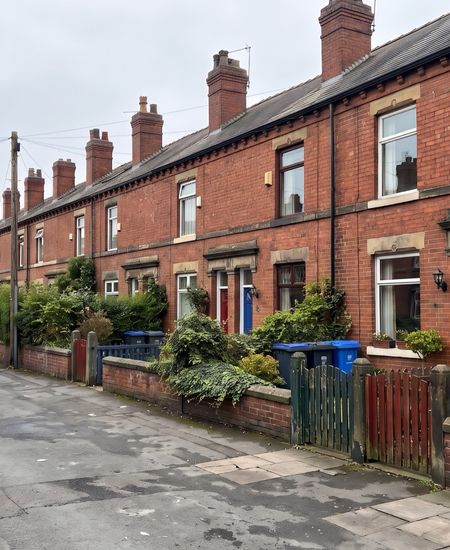
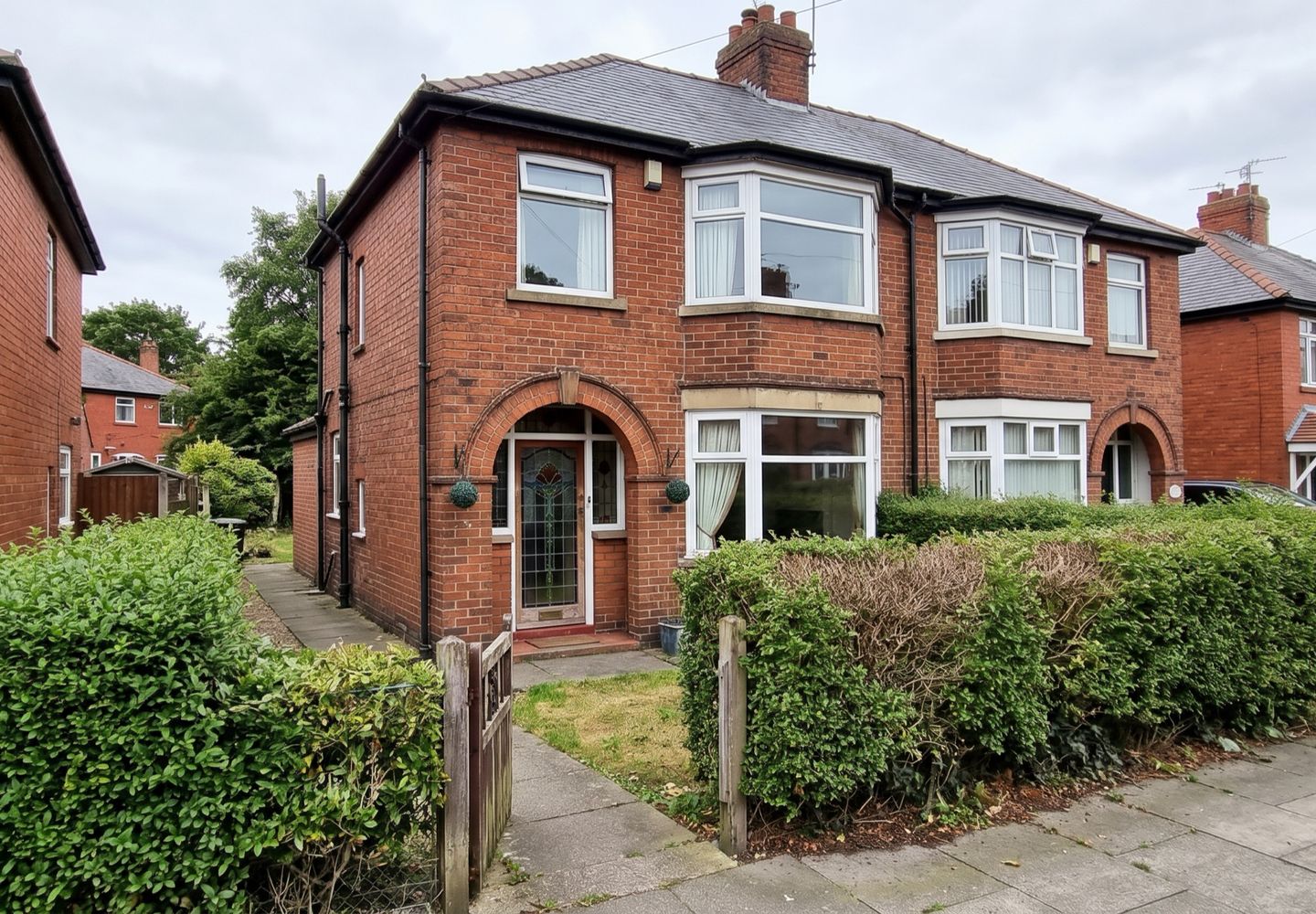
The 2021 Census shows what that growth left behind. Across Urmston ward, semi-detached houses are home to 44% of households. Terraces account for about a fifth, purpose-built flats nearly as many again, and detached houses around one in ten. A smaller number of people live in bedsits, converted houses or above shops. The mix isn’t even, either. One census area within the town is roughly a third semis and over a quarter terraces, while another is more than two-thirds semis with hardly any terraced rows.
Tucked in among all this are a few much older survivors, including timber-framed Larkrise from 1672 and Yew Tree Farmhouse from 1713, both listed. Old timber frames and centuries of alterations leave more voids than any modern build, and listed fabric can’t simply be drilled and filled, so proofing in those homes is done with a lighter touch.
Why do mice keep turning up in Urmston semis?
A semi shares one wall with next door and a terrace shares two. Behind those walls sit cavities, floor voids and pipe runs that mice treat as private corridors, so a problem that starts under one kitchen floor rarely stays on one side. With semis the most common home in the town, a familiar autumn call is scratching behind the kitchen units or above a bedroom ceiling once the evenings turn cold.
Mice get in through gaps about the width of a pencil. Worn airbricks, holes where pipes and cables pass through outside walls, and the space under a back door are the usual suspects. Our mice control visits pair treatment with sealing those gaps, because bait on its own just makes room for the next arrivals. If the family next door is hearing the same noises, treating both houses at the same time saves everyone repeat visits.
Water on three sides: the Mersey, the meadows and the Ship Canal
The River Mersey runs along the southern edge of the town, and the low ground beside it, Urmston Meadows, is flood plain within the Mersey Valley. Engineers canalised the river in the 1970s to move floodwater away quicker, and the basin at Sale Water Park, just east of here, holds back water upstream. To the north and west the Manchester Ship Canal takes over. The Davyhulme Millennium Nature Reserve follows its banks on old waterworks land, and the Davyhulme wastewater works close by has treated sewage since 1894 and now serves around 1.2 million people.
Brown rats swim well, burrow happily into banks and thrive in sewers, so a town ringed by river, canal and drainage will always have rats somewhere nearby. Mostly they keep out of sight. They reach houses when a drain cracks, a pipe joint slips or a garden offers food and shelter: a compost bin, a bird table, a dry space under decking. Gardens backing onto the meadows, the canal paths or Davyhulme Park, with its two large wildlife ponds, are the ones we look at most closely. Rat control here starts outside, with a drain check and a walk round the boundary, since closing the way in matters more than any amount of bait.
Flats above shops and around Eden Square
Roughly one Urmston household in five lives in a purpose-built flat, and a smaller group live in converted houses or over a shop. Eden Square, built where the old Urmston Precinct stood until demolition began in 2007, brought 144 apartments to the town centre alongside its shops and leisure space. Flats share walls, ceilings, service risers and bin stores, and that’s how bed bugs, mice and cockroaches move between homes that never share a front door. Bed bugs in particular travel in luggage and second-hand furniture, then spread through gaps around sockets and pipework.
For the cafés and small shops downstairs, we offer the same friendly service, and dealing with a shop and the flat above it together usually makes more sense than tackling one and not the other.
Wasps under the eaves, squirrels from the parks
Semis and detached houses come with lofts, soffits and eaves, which are just what a queen wasp wants when she starts a nest in spring. By late summer that nest can be busy, and one above a back door or beside a child’s bedroom window isn’t something to put up with. Wasp nest removal is a quick, careful job, and a nest that has died off over winter won’t be used again.
Grey squirrels do well wherever parks meet back gardens, and homes near Abbotsfield Park, Golden Hill Park or Davyhulme Park are well placed for them. All one needs is a gap at the roofline. Once inside a loft they chew cables, shred insulation and nest in stored boxes. Squirrel removal is always paired with proofing the roofline, so the next one from the park can’t follow.
Is it my landlord’s job?
If you rent, tell your landlord or letting agent in writing, with photos and dates, and keep a copy. Pest problems that were there when you moved in, or that come from repairs the landlord should have made, are usually theirs to deal with, and a written record of each report helps if the problem drags on.
What about Trafford Council?
Many councils run a pest control service for residents, but what is covered, who can book and the charges all vary and can change, so check the council’s own pest control pages before you book. If you rent from a council or housing association, report the problem to your landlord first. If you would rather book a private firm, call or message us and we’ll offer the earliest slot we have.
Children, pets and the dog walk by the canal
Tell us about little ones and pets when you book. Rodent bait goes in locked, tamper-resistant boxes placed out of reach, and in some homes we use traps and proofing alone. The nature reserve by the Ship Canal is a favourite with dog walkers, and fleas brought home by a dog or cat drop eggs into carpets and bedding, so we treat the house while your vet treats the pet.
Getting to you
Urmston sits right next to Stretford, with Sale just across the Mersey, and the M60 runs through the northern half of the town, so reaching any M41 street is straightforward. We won’t promise an arrival time we can’t keep, but we’ll offer the earliest slot we have, often the same day.
Common pests in Urmston homes
Mice
Semis are the most common home in Urmston and terraces come next, so most houses share at least one wall, and mice use the cavities, floor voids and lofts behind it to move from house to house.
Rats
With the Mersey flood plain to the south, the Ship Canal to the north and the Davyhulme wastewater works close by, brown rats are never far from Urmston gardens and find their way in through cracked drains and garden cover.
Wasps & Hornets
The town's semis and detached houses have lofts, eaves and airbricks that suit a summer nest, and one tucked beside a bedroom window or over the back door needs dealing with quickly in a house with young children.
Squirrels
Homes near Abbotsfield Park, Golden Hill Park and Davyhulme Park sit where parks meet gardens, the mix grey squirrels like, and a gap at the eaves lets one into the loft to chew wiring and insulation.
Bed Bugs
About a fifth of Urmston ward homes are purpose-built flats and Eden Square added 144 apartments in the town centre, so bed bugs carried in on luggage or second-hand furniture can spread to the flat next door.
Fleas
The nature reserve beside the Ship Canal is popular with dog walkers, and once a dog or cat brings fleas indoors the eggs drop into carpets and bedding, so the home needs treating alongside the pet.
We also deal with:
Why Urmston gets the pests it does
- Urmston was a small farming village until the Cheshire Lines Railway opened in 1873; its population rose from under a thousand in 1871 to about 6,600 by 1901 as middle-class commuters moved in. [Wikipedia]
- At the 2021 Census, 44% of the 4,912 households in Urmston ward lived in semi-detached houses, about 20% in terraces, a similar share in purpose-built flats and about 10% in detached homes. [Office for National Statistics (Census 2021, via Nomis)]
- The housing mix varies across the town: one 2021 Census area is about a third semis and over a quarter terraces, while another is more than two-thirds semis with fewer than one home in ten terraced. [Office for National Statistics (Census 2021, via Nomis)]
- Around 71% of Urmston ward households owned their home in 2021, about 16% rented privately and about 11% rented from a social landlord, most of them from landlords other than the council. [Office for National Statistics (Census 2021, via Nomis)]
- The River Mersey marks Urmston's southern edge, where the low land known as Urmston Meadows is flood plain; the river was canalised in the 1970s, and Sale Water Park just to the east acts as a flood basin. [Wikipedia]
- Davyhulme Millennium Nature Reserve runs along the Manchester Ship Canal on former waterworks land and is popular with dog walkers, and nearby Davyhulme Park contains two large wildlife ponds. [Wikipedia]
- Davyhulme Sewage Works, on a 254-acre site close to the Ship Canal, has treated sewage since 1894 and serves around 1.2 million people; domes were added over its settlement tanks in 2003 to control odour. [Wikipedia]
- Eden Square, built on the site of the old Urmston Precinct after demolition began in 2007, combines town-centre shops and leisure space with 144 apartments. [Wikipedia]
- A few pre-railway houses survive among the suburban streets, among them timber-framed Larkrise of 1672, Yew Tree Farmhouse of 1713 and the late 18th-century Flixton House, all Grade II listed. [Wikipedia]
Pest control in Urmston: your questions
Do you cover Flixton and Davyhulme as well as Urmston itself?
Yes. The M41 postcode takes in Urmston town centre along with Davyhulme to the north and Flixton to the west, and we cover the whole of it. That includes the streets near Urmston and Chassen Road stations, the homes around Davyhulme Park and Davyhulme Circle, and the Flixton side out towards the Mersey Weir. Send us your postcode when you get in touch and we'll offer the earliest slot we have, often the same day.
Why do we get mice every autumn in our Urmston semi?
As nights get colder, mice look for warmth and food, and a semi gives them an easy route. The shared wall with next door hides cavities and floor voids that run between both houses, and older airbricks, pipe gaps and worn door thresholds let them in from outside. A mouse only needs a gap about the width of a pencil. We treat the activity, find and seal the entry points, and if your neighbours are seeing droppings too, it helps to deal with both houses at once.
Our garden backs onto the Mersey meadows. Should we worry about rats?
Not panic, but keep an eye out. Urmston Meadows is flood plain beside the canalised Mersey, and brown rats like to burrow into banks and rough ground near water. They usually stay put unless something draws them closer: a compost heap, spilled bird seed, a dry space under decking or a shed. Burrows by the fence, runs through the lawn or gnawing at the shed door are the signs to look for. We check drains as well as the garden, because a cracked pipe is often how rats move from outside to inside.
I rent a flat near Eden Square. Who should sort out the pests?
Tell your landlord or letting agent in writing first, with photos and the dates you saw anything. In England, landlords must keep the structure and exterior of a rented home in repair and keep it fit to live in, which normally covers broken drains and holes that let mice or rats in. Problems that come from how the home is used, such as fleas from a pet, are often the tenant's to fix. Your tenancy agreement matters, so check it. In a block, treating several flats together works better than one at a time.
Will Trafford Council deal with pests in my home?
Many councils run a pest control service for residents, but what is covered, who can book and the charges all vary and can change, so check the council's own pest control pages before you book. If you rent from a council or housing association, report the problem to your landlord first. If you would rather book a private firm, call or message us and we'll offer the earliest slot we have.
Is treatment safe with a baby and a dog in the house?
Yes, as long as we plan for them, which is why we ask about children and pets when you book. For mice and rats, any bait goes inside locked, tamper-resistant boxes placed where small hands and paws can't reach, and in some homes we use traps and proofing instead. For insects, we'll tell you which rooms to keep everyone out of and for how long. If you have a cat, a dog or small pets in cages, mention it so we can work around them.
There are squirrels in our loft near Abbotsfield Park. Can you catch and release them?
No, and nobody should. Grey squirrels are a non-native invasive species, and it's against the law to release one into the wild once it has been caught. What we can do is deal with the squirrels already in your loft, then block the gaps at the eaves, soffits and roofline they used to get in, so the next one from the park can't follow. If you hear scratching early in the morning or find chewed insulation, it's worth getting the loft checked before cables get damaged.
Nearby areas
Sources (6)
Last updated: