Manchester Pest Solutions looks after homes all over Ashton-under-Lyne, Waterloo, Ryecroft and Hartshead included, dealing with mice, rats, ants, moths, wasps and fleas. We trace how pests are getting inside, pick treatments that suit a household with children or pets, then block the gaps. Phone or send us a message and we'll book the earliest visit we can.
A cotton town laid out on a grid
Ashton’s homes owe a great deal to cotton. Seventy-five mills opened here between 1773 and 1905, and in the decades either side of 1800 the middle of town was redrawn as a planned grid of roads. Housing built specifically for mill workers appeared at Park Bridge, close to the border with Oldham, as early as the 1820s. In 1845 the mill owner Hugh Mason went a step further at Oxford Mills, founding a model community for his workforce with its own recreation facilities and public baths.
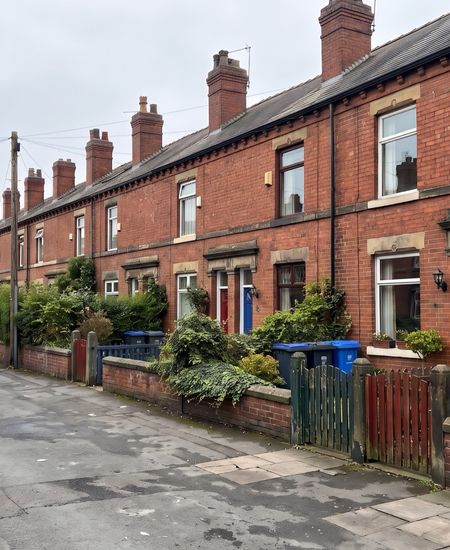
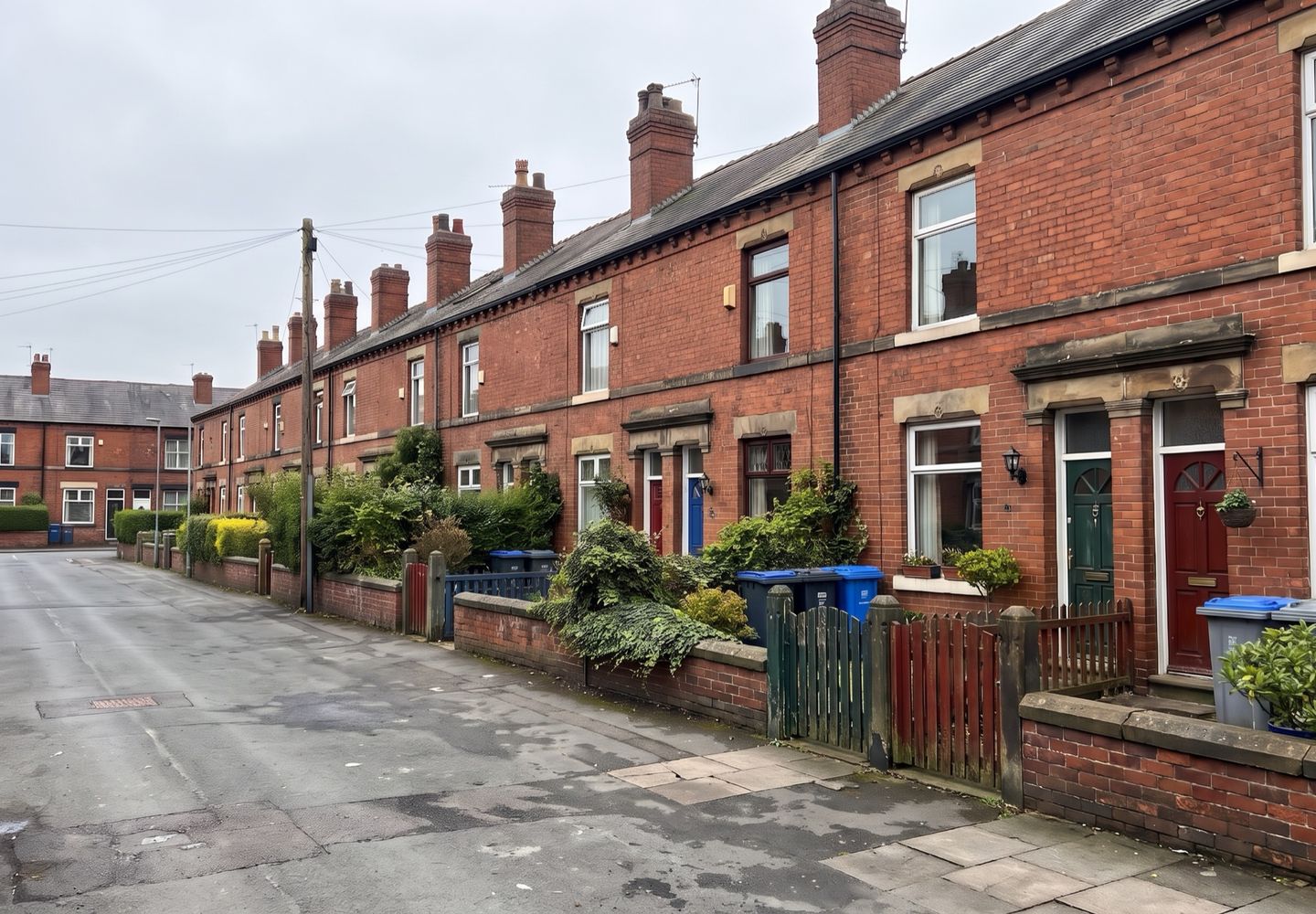
That history still matters when something is scratching under your floorboards. A house from the mill years has had generation after generation of gas pipes, cables, waste outlets and extensions cut through its walls, and every rough gap left behind is a way in.
Why do mice move in when the weather turns?
House mice spend the warmer months in hedges, sheds and garages, then look for heat and food once the nights draw in, usually from October. An adult can get through a hole roughly the width of a pencil, and mice climb well. In older Ashton houses the usual routes are where services enter: the gas meter box, the gap behind the boiler, pipework under the sink and airbricks with cracked grilles. Where homes share a party wall or a roof void, mice wander along the row, so it’s worth asking next door whether they’ve heard anything too.
Our mice control visits begin outside, walking the walls to find where they’re getting in, before we move on to the kitchen, the cupboard under the stairs and the loft. Once activity stops, we close the holes with wire wool, mesh and filler so the next lot can’t follow the same trail.
Living alongside the Tame, the canal and the railway
The town sits on the north bank of the River Tame, and along its southern edge the river, the Ashton Canal and the railway line run close together. At Portland Basin, in OL7, three waterways meet: the Ashton, the Peak Forest and the Huddersfield Narrow canals, with boats tied up at the marina and towpaths that never close. Brown rats like it as much as walkers do. They swim strongly, burrow into soft banks and use fences, hedges and embankments as cover when they travel.
Living near the water doesn’t mean you’ll get rats, but on that side of town it pays to remove easy food and shelter. Feed birds from a tray rather than scattering seed, keep compost in a closed bin and block the gap under the shed or decking. If rats turn up indoors, the drains are a likely route. Rat control in these streets often includes a drain check, because a cracked pipe or an uncapped old inspection chamber lets a rat reach the inside of a house without ever crossing the lawn.
The moss on the western side of town
West of the centre lies Ashton Moss, a peat bog of about 260 acres that was once far larger. The M60 cuts through this part of Ashton, and in 2023 land on both sides of the motorway, off Lord Sheldon Way, was put forward as an innovation park. The proposals mentioned further work on peat deposits, ground conditions and drainage, with an ecology park in every version of the layout. Large groundworks, if and when they start, tend to unsettle rats and mice living in rough ground, and some head for the nearest gardens and outbuildings. Seeing diggers arrive is a good prompt to check your airbricks and the base of your shed.
Three-weekly recycling and your bins
Since 31 January 2022, Tameside has emptied black bins (glass, plastic bottles and cans) and blue bins (paper and card) every three weeks rather than every two, while general rubbish and food and garden waste stayed fortnightly. The trouble comes from unrinsed pop cans and jam jars, which draw wasps in late summer, and greasy trays bring rats nosing round the bin store. A quick rinse, lids that close properly and no overflow bags left on the pavement do most of the work.
Is it Jigsaw’s job, my landlord’s or mine?
Jigsaw Homes, the housing association, has its head office in Ashton, so its pest guidance is worth knowing. It lists rats, mice, squirrels, bed bugs, fleas and cockroaches as examples of pests it deals with and takes charge of shared areas such as bin stores, drains, roof spaces and stairwells. Ants, moths, flying insects and household beetles are left to residents. In practice, a Jigsaw tenant with a line of ants marching across the worktop needs to arrange treatment privately, and that’s where our ant removal service comes in.
Renting privately works differently. Landlords in England must keep the structure, exterior and drains in repair, so broken airbricks, gaps round pipes and damaged drains that let pests in normally fall to them. Tenants are expected to keep food sealed and report problems promptly. A brief written note from our visit, passed to your landlord or agent, saves a lot of back-and-forth about the cause. Owner-occupiers carry the job themselves, though a word over the fence helps, since mice and rats rarely stop at a boundary.
Poison isn’t our first move in a family home
Before planning anything, we ask who shares the house, from the baby to the cat to the rabbit in the hutch. Snap traps go inside closed plastic housings that small fingers can’t reach into. Where rodenticide is genuinely needed, it’s secured in a lockable station that’s screwed or weighted down, and we keep a note of where each one sits. Gardens that back onto the towpath or the moss get extra thought, because hedgehogs, birds and dogs pass through them, so proofing and trapping do most of the work there. For insect treatments, we’ll tell you how long to keep children and pets out of a room.
Should I try Tameside Council first?
Many councils run a pest control service for residents, but what is covered, who can book and the charges all vary and can change, so check the council’s own pest control pages before you book. If you rent, report the problem to your landlord first. If you would rather book a private firm, call or message us and we’ll offer the earliest slot we have.
Market stalls and small shops
Ashton’s outdoor market goes back to medieval times, and the Grade II listed Victorian Market Hall reopened in 2008 after a fire four years earlier. Early in 2025 the old fixed stalls on Market Square were cleared and foundations laid for a new canopy, with traders moved for the time being to Fletcher Square and Market Street. Digging on that scale, where food has been traded for centuries, can disturb rodents. If you run a stall or a small shop nearby, our commercial pest control page explains how business visits are arranged.
Reaching homes in OL6 and OL7
OL6 covers the centre and east of the town and OL7 takes in the west, including Guide Bridge. We visit both, including the streets below Hartshead Pike, the stone tower on the hill overlooking Ashton and Oldham, and the houses of Hurst, Waterloo and Ryecroft. Visit times depend on the day’s bookings, so we’ll give you an honest estimate when you call and offer the earliest slot we have, often the same day. Ashton lies about six miles east of Manchester city centre, and our city centre and Stockport pages cover those areas if you have a property there too.
Common pests in Ashton-under-Lyne homes
Rats
The Tame, the Ashton Canal and the railway share the town's southern edge, and three canals meet at Portland Basin, so gardens and drains on that side of Ashton are never far from the banks and embankments rats like to live along.
Mice
Purpose-built mill housing here goes back to the 1820s, and homes of that age have had generations of pipes and cables pushed through their walls, leaving the small gaps mice squeeze through once autumn turns cold.
Ants
Jigsaw Homes, which has its head office in Ashton, leaves ants for residents to sort out, so a tenant with a trail across the kitchen worktop each summer usually has to arrange treatment privately.
Moths
Moths and household beetles are also on Jigsaw's list of pests that residents handle themselves, so clothes moths in a wardrobe or larvae chewing a bedroom carpet are jobs a tenant would book directly.
Wasps & Hornets
With Tameside's black recycling bins emptied only every three weeks, unrinsed pop cans and jam jars can sit for a long time, and in late summer that sugary residue pulls wasps in from nests in sheds, eaves and hedges.
We also deal with:
Why Ashton-under-Lyne gets the pests it does
- Seventy-five cotton mills were set up in Ashton between 1773 and 1905, and in the late 18th and early 19th centuries the town was replanned around a grid of roads. [Wikipedia]
- Housing built for mill workers at Park Bridge dates from the 1820s, and in 1845 Hugh Mason founded the Oxford Mills settlement as a model industrial community with recreation facilities and public baths. [Wikipedia]
- The town stands on the north bank of the River Tame, and the railway, the river and the Ashton Canal together form its southern boundary. [Wikipedia]
- The Peak Forest, Ashton and Huddersfield Narrow canals meet at Portland Basin, where the towpath is always open and boats can moor at Portland Basin Marina. [Canal & River Trust]
- From 31 January 2022 Tameside switched its black bins (glass, plastic bottles and cans) and blue bins (paper and card) from fortnightly to three-weekly collections, while general waste and food and garden waste stayed fortnightly. [letsrecycle.com]
- Jigsaw Homes gives rats, mice, squirrels, bed bugs, fleas and cockroaches as examples of pests it deals with, looks after communal spaces such as bin stores, drains, roof spaces and stairwells, and leaves flying insects, ants, moths and household beetles to residents. [Jigsaw Homes]
- Land on both sides of the M60 at Ashton Moss, off Lord Sheldon Way, was proposed in 2023 as an innovation park, with further work needed on peat deposits, ground conditions and drainage, and an ecology park planned whatever the layout. [Tameside Correspondent]
- Early in 2025 the fixed market stalls on Ashton's Market Square were cleared and foundations laid for a new canopy, with traders moved for the time being to Fletcher Square and Market Street. [Tameside Reporter]
- Ashton has five parks, among them Stamford Park, which opened on 12 July 1873. [Wikipedia]
Pest control in Ashton-under-Lyne: your questions
Will Tameside Council deal with pests at my house in Ashton?
Many councils run a pest control service for residents, but what is covered, who can book and the charges all vary and can change, so check the council's own pest control pages before you book. If you rent, report the problem to your landlord first. If you would rather book a private firm, call or message us and we'll offer the earliest slot we have.
Do you cover Guide Bridge, Hurst and Park Bridge, or just the town centre?
All of them. OL6 takes in the centre and east of Ashton and OL7 covers the west of the town, including Guide Bridge, and we visit homes in both. Hurst, Waterloo and Ryecroft are all on our patch, and so is Park Bridge, out on the Oldham border. If you're not sure whether your street counts, send us your postcode and we'll tell you straight away.
I rent from Jigsaw Homes. Should I call them or you?
It depends on the pest. Jigsaw's own guidance gives rats, mice, squirrels, bed bugs, fleas and cockroaches as examples of pests it handles, and asks tenants to report significant infestations, so start with Jigsaw for those. It also looks after shared spaces such as bin stores, drains, roof spaces, car parks and stairwells. Ants, moths, flying insects and household beetles are left to residents, and that's where we come in. Its pest policy is dated September 2025, so check the current version if you're unsure.
My private landlord says mice are my problem. Is that right?
Not always. In England a landlord has to keep the structure, exterior and drains of a rented home in repair, and pests count as a hazard when councils assess housing conditions. If mice are getting in through gaps round pipes or a broken airbrick in an older Ashton house, that usually points back to the landlord. Tenants are expected to keep food stored and the place reasonably clean, and to report problems quickly. Tell your landlord in writing, with photos and dates, and we can provide a short note of what we found.
We back onto the canal near Portland Basin. Why do we keep seeing rats?
Three canals meet at Portland Basin, and the Tame and the railway run close by along the town's southern edge, so rats have water, soft banks to dig into and plenty of cover. The towpath there is always open, and dropped food goes a long way. Seeing a rat by the water now and then is normal; seeing one in the garden regularly means it has found food or shelter. Close gaps under sheds and decking, use a sealed compost bin, and call us if you spot burrows or droppings near the house.
Do the three-weekly recycling collections bring more pests?
They can if bins aren't looked after. Tameside's black and blue recycling bins have been emptied every three weeks since January 2022, so anything sticky or greasy sits longer than it used to. Wasps are drawn to sweet residue in late summer and rats will investigate smells around a bin store. Rinse cans, bottles and trays, keep lids shut, put food waste in its own bin rather than the recycling, and don't leave extra bags beside the bins. General waste and food waste are still collected fortnightly.
Is treatment safe with a baby and a dog in a small house?
Yes, as long as the method fits the home, and we plan around who lives there. In a compact older house the kitchen, the stairs and the yard are often all within reach of a crawling baby, so we favour snap traps in closed housings and proofing first. Any rodenticide we do need is secured in a lockable station that's fixed down, and we note where each one sits. For insects, we'll tell you how long to keep the baby and the dog out of a room and when it's safe to vacuum.
Nearby areas
Sources (6)
Last updated: