Manchester Pest Solutions treats bed bugs, cockroaches, mice, rats and nesting pigeons in Manchester City Centre homes, from converted warehouse flats in the Northern Quarter and Castlefield to the newer towers beside the Irwell and the Medlock. We plan every visit around children and pets. Call or message us to book, and we'll offer the earliest slot we have.
What kind of homes are in the city centre?
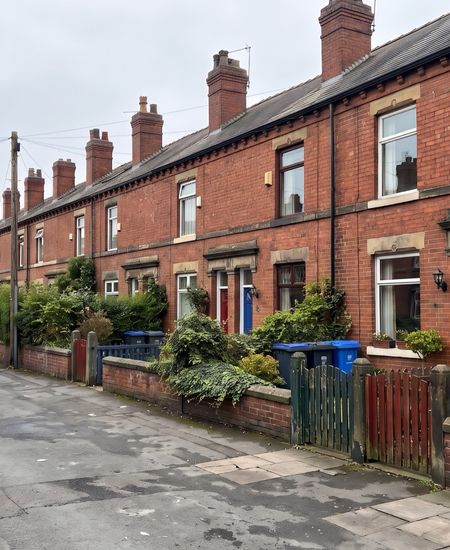
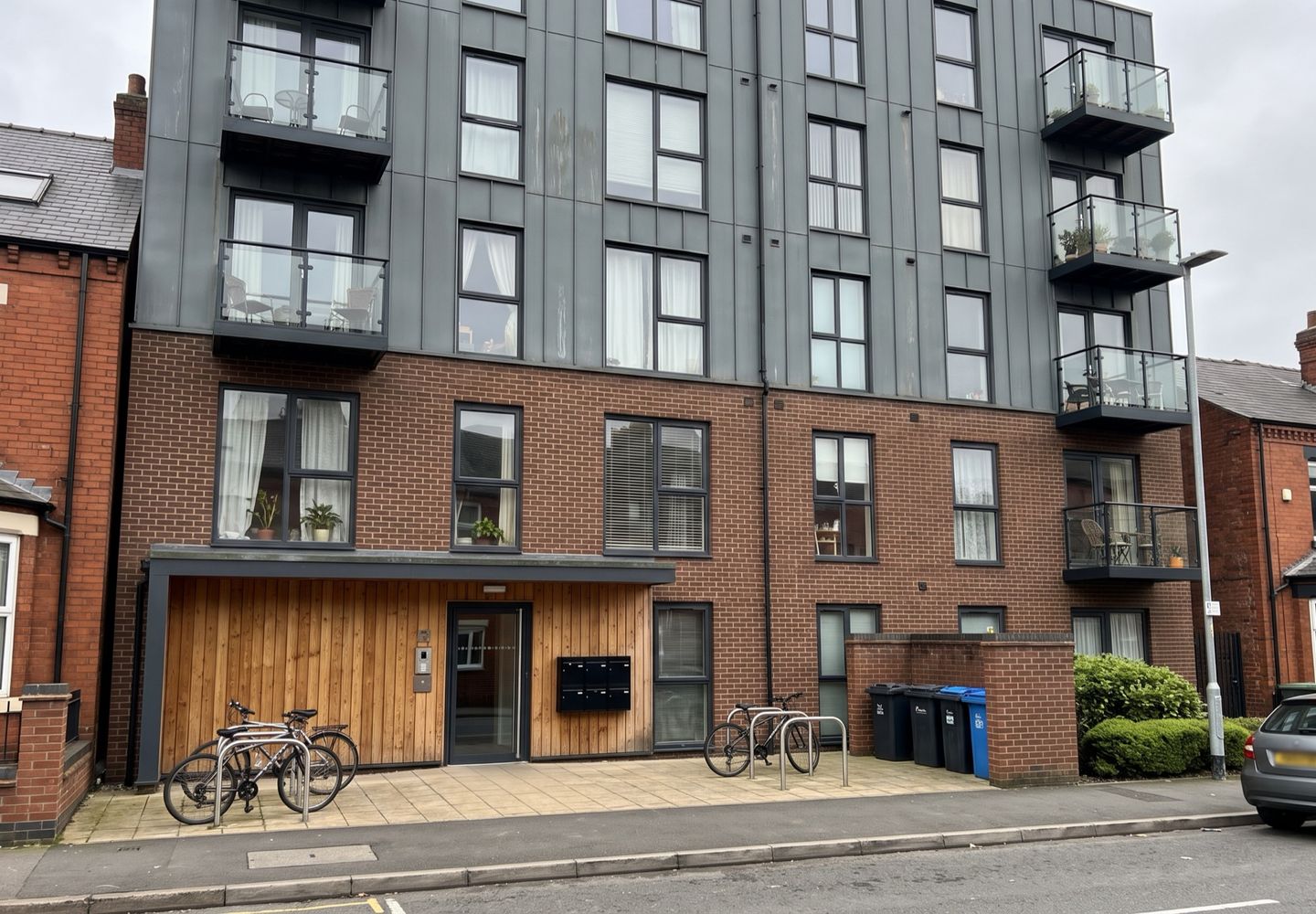
City-centre homes are unlike anything in the suburbs. In the Northern Quarter, former warehouses and industrial buildings now hold flats. In Castlefield, restored canal and railway warehouses are apartments, some sharing a building with offices or a restaurant. Beside the rivers, newer towers hold many homes between them.
Households here tend to be small, which usually means studios and one-bedroom flats. In a block, that means a managing agent looks after the shared parts while you look after what’s behind your own front door.
Why do pests move from one flat to the next?
A suburban semi has its own walls, its own drains and its own wheelie bin. A flat in a converted warehouse or a high-rise tower shares almost all of that. Heating pipes, waste stacks and cable runs pass from floor to floor through service risers, corridors join every front door on a landing, and one bin store serves the whole building. Cockroaches, mice and bed bugs use those routes without ever being seen in the communal areas, which is why a problem in one flat so often turns out to involve three or four.
So our visits here look beyond your kitchen: where pipework comes through your walls, the bin store if we can reach it, and whether neighbours have mentioned anything. If the source is elsewhere in the building, we’ll tell you plainly and put it in writing.
Rats, bins and building sites
Overflowing bins, fly-tipping, litter, open roadworks and abandoned buildings all suit rats. Demolition and groundworks break into old drains and disturb the rats living in them, so they move on. For a ground-floor flat or one close to a communal bin store, that can mean droppings at the back of a kitchen cupboard.
Our rat control work in the centre usually begins outside your door, with the bin store, the drain covers and the gaps where cables enter the building. Signs to look for are droppings, gnawed packaging, greasy marks along skirting and scratching at night.
Canals, culverts and waterside homes
Brown rats swim well and are at home along towpaths, banks and culverts. If you live on a lower floor close to a canal or river, keep balcony and patio doors shut at night, don’t leave food waste out, and tell your managing agent quickly about any holes around the base of the building.
Bed bugs in a city that never stops moving
Bed bugs aren’t put off by a smart lobby or a new build. They travel in luggage and second-hand furniture, and a busy city sees plenty of both. Every trip home, holiday and September move is a chance for a bug to ride back in a suitcase.
In a block, the bigger worry is spread along corridors and pipework into the flat next door, which is why our bed bug removal visits here include the walls and doors you share with neighbours, not just the bed. Look for small dark spots on mattress seams, shed skins and itchy bites in a line or cluster.
Children, pets and a flat with no garden
In a house, everyone can sit in the back garden while a room dries. In a one-bedroom flat there’s nowhere else to go, so we plan around it. Cockroach removal relies on gel bait placed in tiny spots inside hinges and behind appliances, where a crawling baby or a nosy cat can’t get at it. For bed bugs, the cot mattress gets steam and the little one’s bedding a hot wash, and we avoid spraying them wherever we can. Mouse traps and bait sit inside closed boxes. When a spray is the right tool, we’ll give you a clear time to stay out, usually a few hours, so you can plan a walk or a coffee out with the dog.
Cover any fish tank and turn its pump off, and move caged birds and reptiles to a room we aren’t treating. Let us know when you book if anyone is pregnant or has asthma, because it changes what we use.
Is it my landlord’s job, the managing agent’s or mine?
In a city-centre flat there can be three people involved: you, your landlord, and the managing agent who looks after the shared parts of the building. As a rough guide, problems inside a rented flat that you didn’t cause, or that were there when you moved in, usually fall to your landlord, because rented homes in England have to be fit to live in throughout a tenancy. Bin stores, corridors, risers and plant rooms are normally the managing agent’s to deal with. If you own your flat on a lease, the lease sets out who handles the communal areas.
Report what you’ve seen in writing, with photos and dates. If you rent from a council or housing association, ask your landlord about treatment first. We’re happy to be booked by tenants, landlords or agents, and the note we leave after each visit can be passed straight on.
A word for small shops and cafés
Some city-centre homes share a street, or even a building, with a café, bar or independent shop. If you run one of those small businesses, we’ll help you too, at times that fit your opening hours, and with a written record for your food safety paperwork.
Getting to you, and to the areas around the centre
The centre sits in the middle of the patch we cover, so wherever your building is, we’re not far away. We also work across the Irwell in Salford, in Rusholme and right through north Manchester. Tell us the building, your floor and how we get in, and we’ll offer the earliest slot we have.
Common pests in Manchester City Centre homes
Bed Bugs
Luggage and second-hand furniture move through a city centre constantly, and once bed bugs arrive they can creep between flats along shared corridors and pipework.
Cockroaches
Heated flats stacked above one another in towers and converted warehouses, some sharing walls and drains with cafés or restaurants, give German cockroaches warmth, water and pipe routes between kitchens all year round.
Rats
Overflowing bins, fly-tipping and roadworks all suit rats, so our rat visits here start at the bin store and drains.
Mice
Mice travel between flats along the boxed-in pipes and cable runs of converted warehouses and newer towers, and building sites nearby can disturb them and push them towards neighbouring blocks.
Bird Control
Pigeons can nest on city-centre balconies and ledges; for a flat the lasting answer is netting, spikes or wire fitted once any nest is empty.
We also deal with:
Can I get Manchester City to deal with it?
Many councils offer a pest control service for residents, but which pests are covered, who can book, whether tenants are treated free and what it costs all vary and can change. Check the council's own pest control pages for current details before you book.
Check the council's pest control page (we last checked it on 2026-10-24).
Pest control in Manchester City Centre: your questions
Do you cover the Northern Quarter, Castlefield, Spinningfields and Ancoats?
Yes. We work right across the city centre, from the Northern Quarter and the streets around Piccadilly Gardens to Castlefield, Spinningfields and Deansgate Square, and just beyond the ring road in Ancoats and New Islington. When you get in touch, tell us the building, your floor and how we get in, whether that's a concierge desk, a fob or a buzzer, so the visit isn't held up at the front door.
Can the council deal with pests in my city-centre flat?
It may. Many councils run a pest control service for residents, but the pests covered, who can book and the charges vary and can change, so check the council's own pages first. Council tenants may be treated differently from owners, leaseholders and private renters, so ask when you get in touch. In a block, whoever treats your flat, it works far better when the managing agent deals with the shared areas too.
I've seen a mouse in my flat several floors up. How did it get there?
Mice are good climbers and don't need the lift. In a converted warehouse or a tower they travel inside the building, along boxed-in pipes, cable runs and the gaps around waste stacks, so a mouse on a high floor may have started out in the bin store or a ground-floor unit. We find where services enter your kitchen, seal the gaps we can reach and set covered traps or locked bait boxes out of reach of children and pets. If they're coming up a shared riser, we'll put that in writing for your managing agent.
I rent through a letting agent. Should I tell them before booking you?
It's best to tell them in writing first, with photos and the dates you saw things. Landlords in England have to keep a rented home fit to live in for the whole tenancy, so pests you didn't cause, or that were there when you moved in, are often the landlord's to sort out, and the agent may want to arrange the visit. If you'd rather book us yourself, that's fine. Keep the written note we leave after each visit, because it records what we found and where it was most likely coming from.
What can I do to stop rats around my building?
The most useful habits are tying bin bags, keeping bin store doors shut and reporting dumped rubbish or overflowing bins quickly. If you've found droppings indoors, ring us and we'll work out how rats or mice are getting in, not just treat what we find.
Is treatment safe in a one-bedroom flat with a baby or a dog?
Yes, with a bit of planning, because there's no spare room to retreat to. Cockroach gel goes in pinhead dots deep inside cupboard hinges and behind the fridge, where small fingers and noses don't reach. For bed bugs, cot mattresses get steam and children's bedding a hot wash, and we avoid spraying them wherever we can. Rodent traps and bait sit inside closed boxes. If a spray is needed anywhere, we'll tell you how long to stay out, usually a few hours, so you can plan a trip out with the pram or the dog.
Pigeons are nesting on my balcony. Can I net it, or is that the managing agent's call?
Check your lease before anything is fixed to the outside of the building. Leases often limit changes to balconies and frontages, and the managing agent may want netting to look the same on every floor. The law applies either way: pigeons are protected wild birds, so a nest with eggs or chicks in it has to be left until it's empty. After that, we clear and bag the droppings and fit netting, spikes or wire. If pigeons are using ledges right across the block, it's better for the agent to book proofing for every affected floor at once.
Nearby areas
Sources (1)
Last updated: